Français
 English
 Español






-
Rods
-
Reels
-
Fishing Lines
-
Lures
-
Jigheads
-
Terminal Tackles
-
Storage
-
Accessories
-
Clothes
-
Boating
-
Fly Fishing
-
All brands
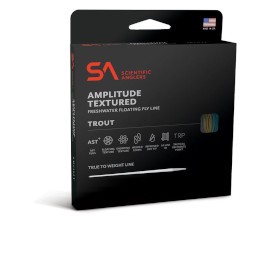
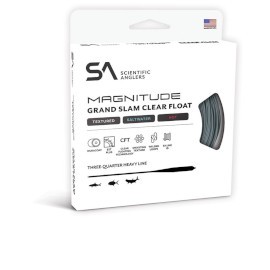
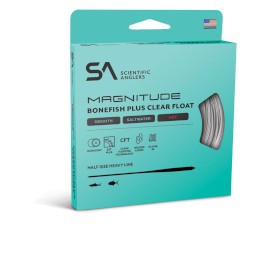
Fly Lines
Fly lines for river, stillwater, streamer and saltwater
The fly line is what loads the rod and carries the fly. Its profile, density and line weight affect casting distance, presentation, depth control and how easily the rod works. Choosing the right line therefore matters as much as choosing the rod itself.
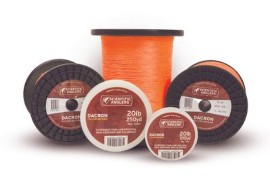
This category covers fly lines for river fishing, nymphing, dry fly, streamer fishing, lakes and reservoirs, saltwater, plus backing, line care and related accessories.
Choose the line by water and technique
- River and dry fly: floating lines with controlled turnover and clean presentation.
- Nymphing: line choice depends on the technique, rod and amount of line held off the water.
- Stillwater: floating, intermediate and sinking densities make it possible to cover different depths.
- Streamer fishing: more powerful tapers and intermediate or sinking options help carry larger flies and control depth.
- Saltwater: lines designed to load quickly and remain manageable in wind and warmer conditions.
Floating, intermediate or sinking?
A floating line is the most versatile starting point for river fishing, dry fly and many nymphing situations. Intermediate lines work just below the surface, while sinking lines and sink-tip profiles are used when the fly must stay deeper for longer.
WF, DT and specialised tapers
Weight-forward lines are the most common choice because they load modern rods efficiently and handle a wide range of techniques. Double-taper lines remain useful for delicate river presentations, while specialised shooting and streamer tapers are designed for distance, larger flies or specific conditions.
Keep the whole outfit balanced
Match the fly line to the rod rating first, then consider taper and density according to the technique. The reel must have enough capacity for both line and backing, and the leader should suit the fly size, target species and required presentation.